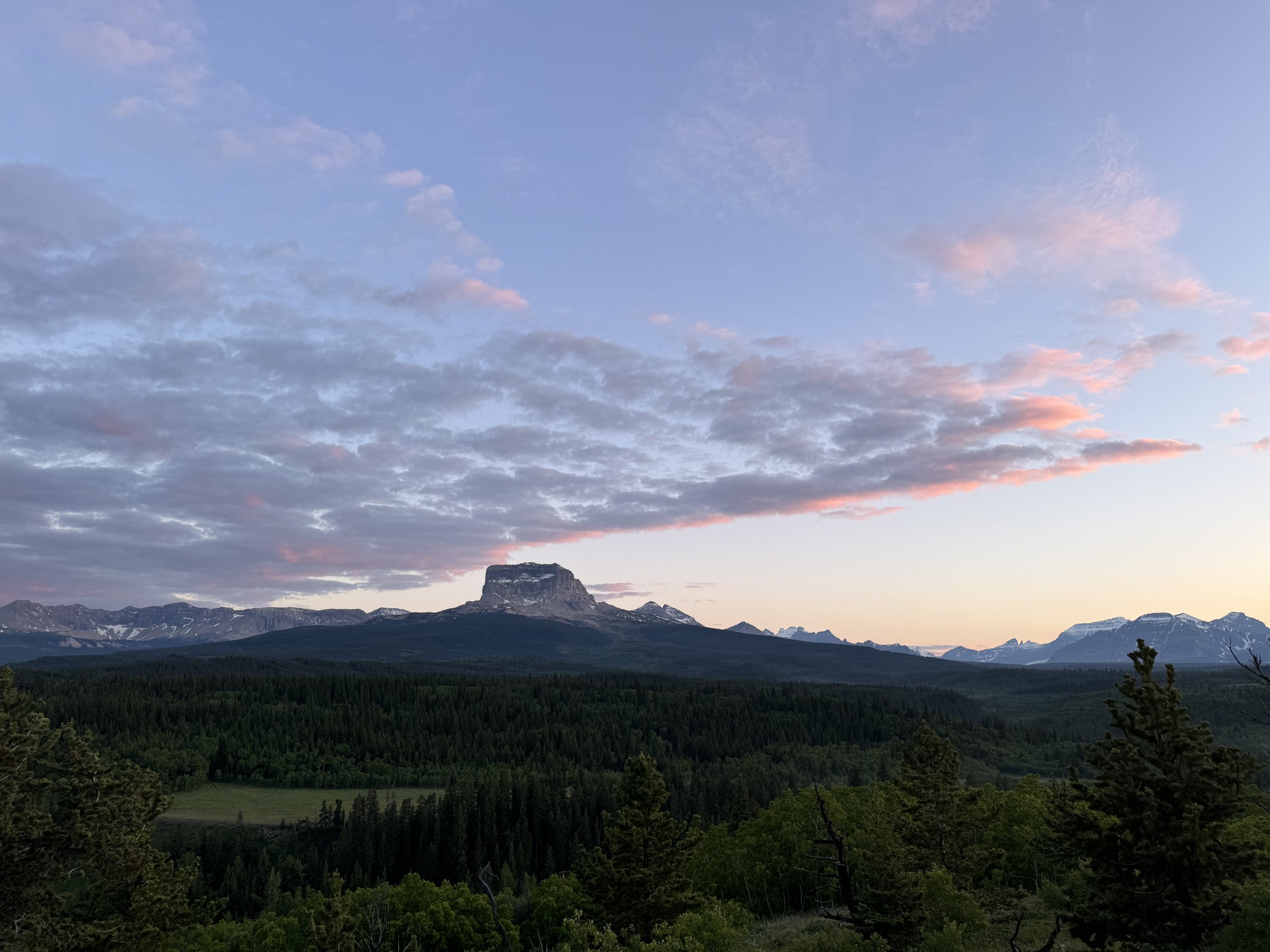

Built by hand.
Named for a mountain.
Full-grain leather goods cut, stitched, and burnished one piece at a time in Kaysville, Utah, by one guy at one bench.
- 1
- Maker, start to finish
- 100%
- Full-grain leather
- Hand
- Saddle-stitched, not glued
- 2024
- Est. in Kaysville, Utah
The bench right now
Pieces I'm making
Nothing here is mass produced, and nothing sits in a warehouse. You pick the leather and the thread, I cut it fresh, and it ships in two to three weeks.
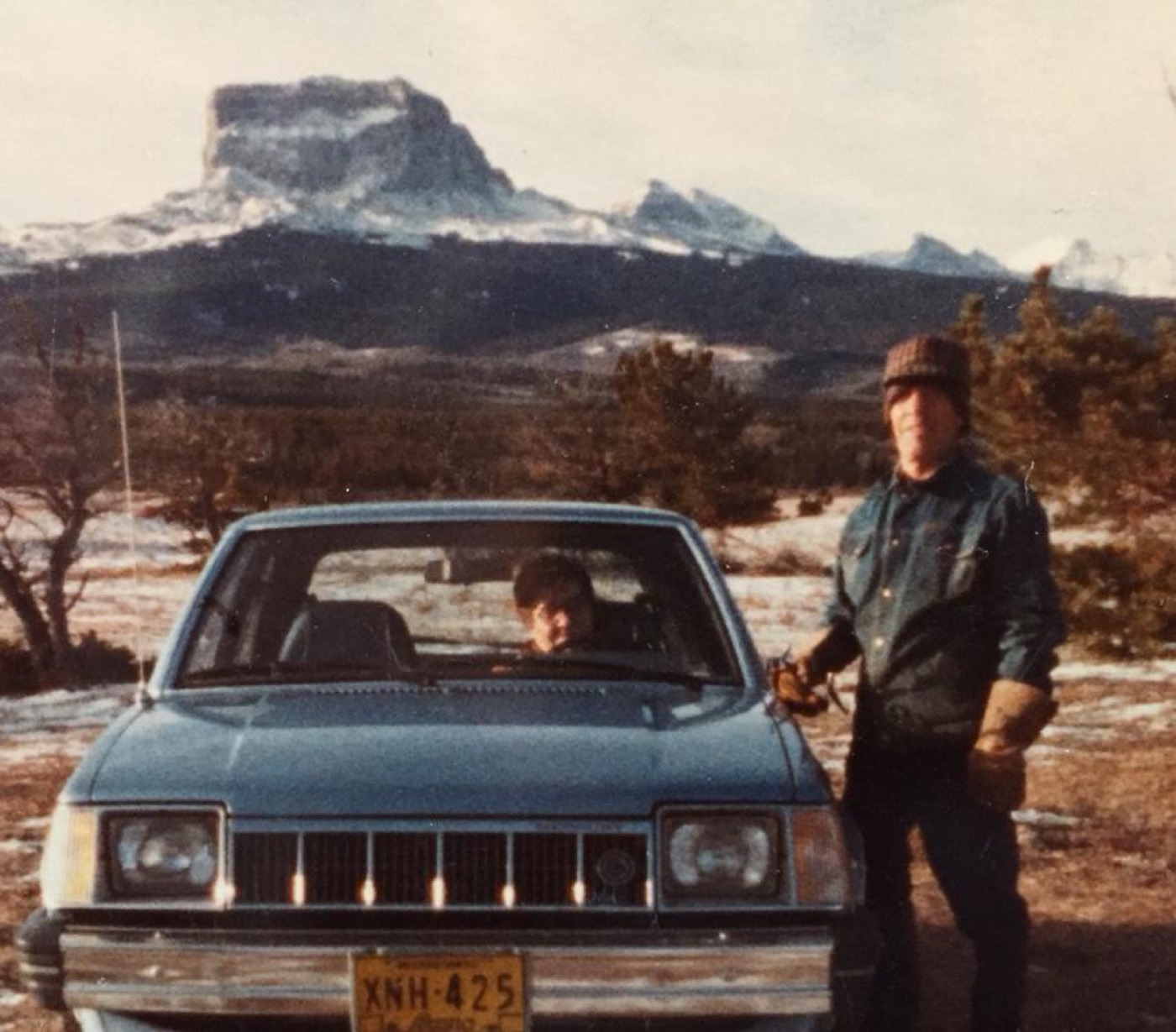
Where the name comes from
Chief Mountain
Chief Mountain sits out ahead of the range on the edge of the Blackfeet Reservation, a flat-topped block of rock standing alone where the plains stop and the Rockies start. You can see it from thirty miles out. It has been there a very long time, and it will be there a very long time after us.
My family has stood at the foot of it for generations. Same mountain, different trucks. That's the whole idea behind this shop: make something worth handing down.
Read the long version →Make it yours
Five hides. Four threads.
One of them is your piece.
Every order starts the same way. You tell me the combination, I cut it. Play with it here, then send it over.
A tool for getting a general idea of colour combinations. Expect some variance in the real colours, since every hide is unique and hand processed.
No shortcuts
How a flat hide becomes a bag
Choose the hide
Full-grain, vegetable tanned. The top layer of the skin with the grain left intact, the part that scars, softens, and darkens instead of flaking apart.
Cut the pattern
Patterns are drafted, tested, and re-cut until they're right. Every panel for one piece comes off the same hide so it ages evenly.
Stitch by hand
Two needles, one thread, a saddle stitch. If a stitch ever breaks, the row beside it holds. A machine lock stitch unzips.
Burnish and finish
Edges beveled, sanded, wet, and rubbed until they're glass. No paint to crack off in a year.
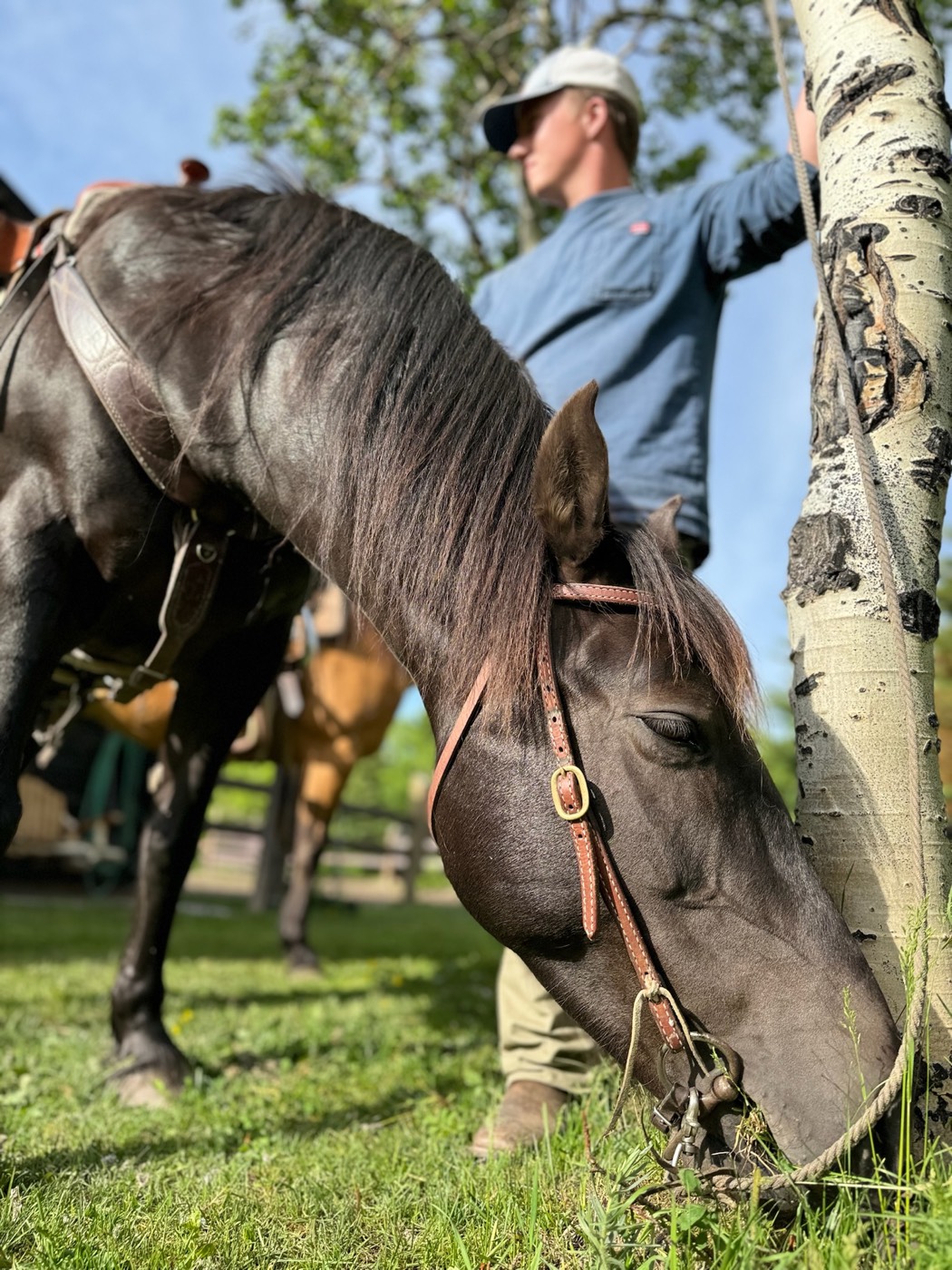
“Buy it once. Scratch it up. It looks better that way.” Marcus, at the bench
Plastic-coated leather is designed to look new until the day it fails. Full-grain does the opposite: it takes on the marks of wherever you've been and gets darker, softer, and better looking for it. The scratches are the point.
Start yours →Before you ask
Common questions
Two to three weeks for a made-to-order piece. Everything is cut after you order it, so the clock starts when we've settled on colours. If something is marked Ready to ship, it's already finished and goes out within a couple of days.
Usually, yes. That's most of what I do. Sheaths, straps, covers, odd-sized bags, a wallet with a specific pocket layout. Send a description or a photo through the contact form or by DM on Instagram and I'll tell you honestly whether I can build it well.
It's the outermost layer of the hide with the grain left intact, nothing sanded off, nothing sprayed on to hide flaws. It's the strongest part of the skin and the only kind that develops a real patina. "Genuine leather" and "bonded leather", despite the names, are the leftovers.
Close, but not exactly. Hides take dye differently depending on where on the animal the piece was cut and how the tannery ran that batch. Your screen adds its own opinion. Expect a piece in the family of the colour you picked, with its own character.
Mostly by using it. Keep it out of standing water, let it dry away from direct heat if it does get soaked, and rub in a little conditioner once or twice a year. That's the whole routine.
If a stitch line or piece of hardware I installed fails under normal use, send it back and I'll fix it. I made it; I know how it goes together. Damage from an accident or hard wear I'll still repair. I'll just quote you for it first.
Got something in mind?
Tell me what you carry and how you carry it. I'll tell you what I'd build.